
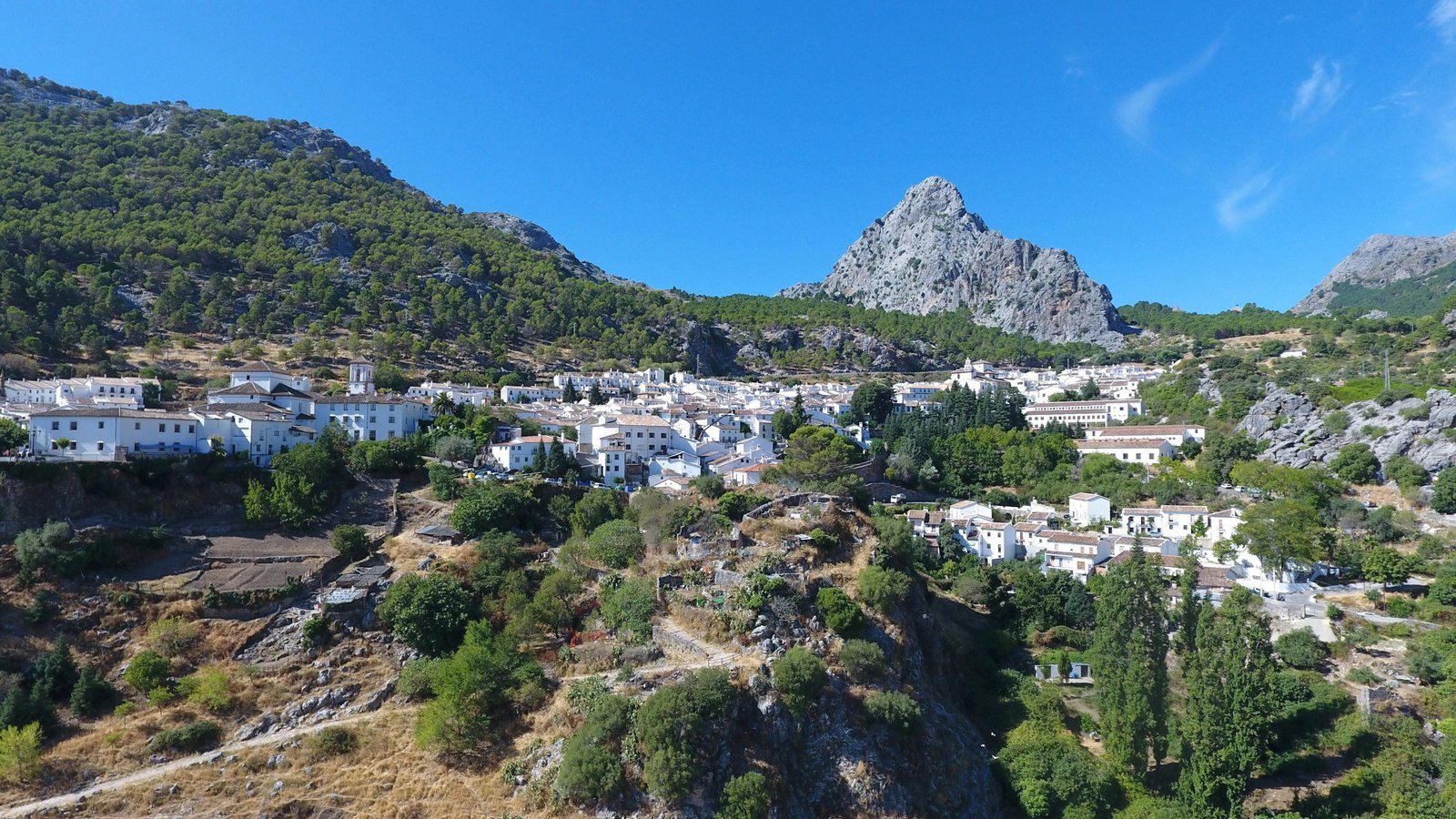
In a city, not having a car is a choice. In a small village, it can be a limitation.
Anyone who does not drive, because of age, health or money, depends on others for almost everything.
An 85-year-old woman and a bank 20 minutes away
The magazine The Dial tells the story of Fuente-Tojar, in Córdoba, a village of 666 people. Between 2021 and 2022 it lost both of its bank branches. The nearest bank is about 20 minutes away on a mountain road. A woman of 85, according to the report, relies on her children to get cash.
The same article gives a figure for context: bank branches in Spain fell from 45,700 in 2008 to 17,597 in 2023.
This is not only about money. It is an example of what happens when a service leaves and the person cannot follow it.
Not an isolated case
In 2022, El Independiente published a report on villages in Zaragoza, León and Cáceres with no bank. Their residents, older and not very digital, travel, wait for a mobile unit or ask for cash at a shop. The paper put the number of municipalities without a branch at about 4,500, with 1.6 million people, 3.5% of the population.
Those figures are from 2022 and they change. If you need the current number, the Bank of Spain publishes an annual financial inclusion report. We cite it in another article in this series.
Buying online so you do not need the car
Here is a fact that surprises many people. People in the countryside buy online often to avoid trips.
A report by the consultancy NERA, commissioned by Amazon, estimates that rural shoppers save 275 euros a year by buying online, against 225 euros for urban shoppers. Some 55% of rural people travel more than 5 kilometres a week to shop, against 26% of urban people. It also estimates a saving of 24 hours a year.
An honest reminder: the report was commissioned by a company that sells online. Use it as an indication, not as final proof.
Even so, the idea is clear. For someone without a car, buying online can be the way to get what they need without depending on anyone.
And then the last stretch fails
That is the problem. Online shopping solves the trip to the shop. But if the parcel is left in a far-off warehouse, the trip comes back.
Someone without a car cannot go to a warehouse 20 kilometres away. They need the parcel to arrive somewhere they can walk to.
Somewhere to walk to
RuralPoint proposes that this place be a trusted business in your own village: the bar, the tobacconist, the shop. You choose it when you sign up. Your address carries the business's name. We message you when the parcel arrives, and you collect it with a code during the shop's opening hours.
This does not solve the bank or the doctor. It solves one small thing: the parcel.
We believe one small thing solved well helps. We still have to check it with the residents in the pilot.
If you know someone like this
Do you have a neighbour or relative who does not drive and shops online? Tell them this exists, and tell us what worries them. Their doubts help us explain it better.